
How long does a vape last? Put a figure such as 600,000 puffs beside that question and the temptation is to turn it straight into days. During an invited look at FiHP’s factory, I wanted to understand what a buyer should make of the 600K 6in1’s stated puff capacity.
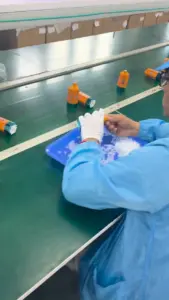
The testing station gave the question a useful starting point. Two devices were connected to a dual-channel suction tester, with a control panel and display beside them. It made testing tangible. It also reminded me that a number only becomes meaningful when you understand what was measured.
What the suction-testing clip actually shows
The instrument in the footage is marked Feihong FHXZ-10 and “E-cigarette smoke suction tester”. Its two channels are labelled SUCTION 1 and SUCTION 2. Tubes connect the instrument to the devices, and the panel provides controls for the test.
That is a visible testing setup, not just a photograph of boxed stock. However, the short clip is not a complete record of a device’s lifespan. It does not show the full programme, its passing criteria or a cumulative result of 600,000 draws.
I would distinguish a check that a device responds to suction from a test that repeatedly operates it until a defined end point. Both involve drawing on a device. They answer different questions, and the appearance of the instrument alone does not establish which result has been obtained.
Why a puff count does not translate directly into days
A puff is a unit of use, but it is not a complete description of use. A short draw and a longer draw can consume different amounts of liquid and battery energy. The intervals between draws and the device’s operating settings can also affect the result.
A useful comparison therefore needs the draw duration, airflow or draw volume, interval, operating mode and stopping condition. Without comparable conditions, two numbers printed on two products do not necessarily describe the same experience.
For a buyer, the distinction is straightforward: a listed puff capacity is not a personal calendar promise. Dividing that figure by an assumed daily count leaves the test conditions and your own draw pattern out of the calculation.
I would rather keep those uncertainties visible than give a precise-looking estimate that I have not measured.
The 600K specification gives more context
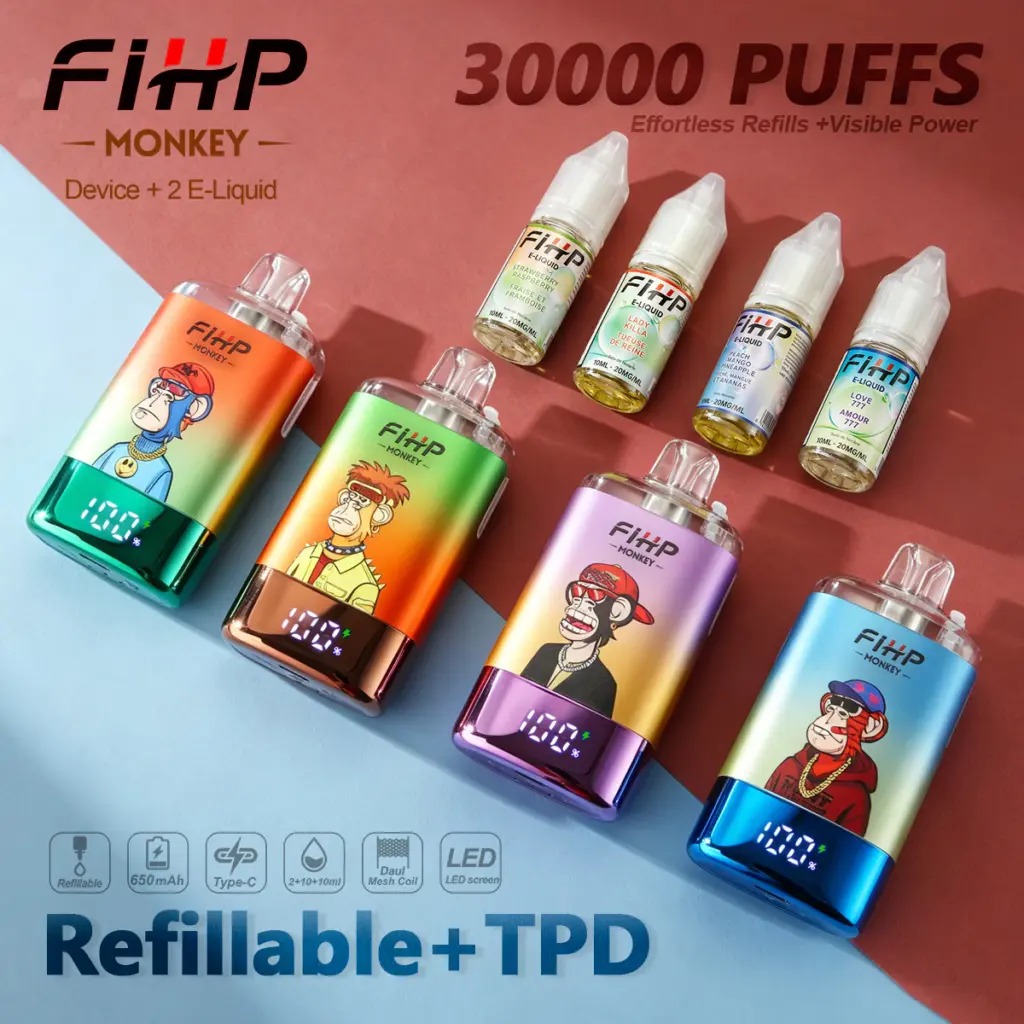
FiHP’s current listing states 64mL of e-liquid, a 650mAh rechargeable battery, dual 0.9Ω mesh coils and USB Type-C charging for the 600K 6in1. It also describes a display for battery and e-liquid levels.
Those details help separate the things a user is watching. The battery can be recharged. Recharging does not replenish the liquid, and the presence of a charging port does not itself make a device refillable. The product and use FAQs are an additional reference for general questions about these differences.
The e-liquid capacity and the puff figure are separate specifications. Neither tells you how many days you personally will use the device without information about your pattern of use. A battery level is also a different indicator from how much usable liquid remains.
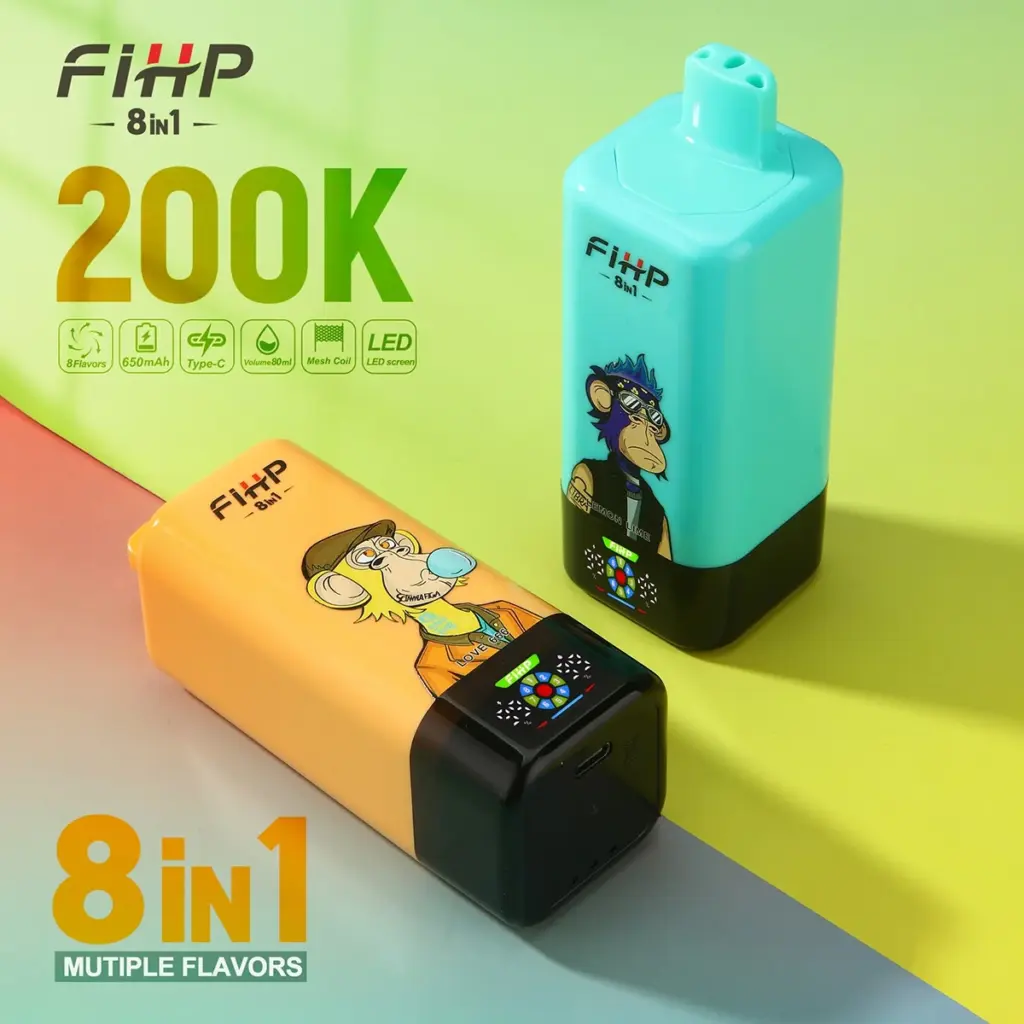
For a six-flavour format, I would additionally want the counting method to explain how the flavour selections are treated. Does the quoted result describe the whole device, and under what sequence of use? I would not multiply a device-level figure by six or assume the same remaining use for every flavour.
Three different meanings of “how long does a vape last?”
Time between charges
This concerns the rechargeable battery. It depends on use and device operation, and it is not the same as the entire device’s lifespan. The listed 650mAh capacity identifies the battery; I have not measured a personal between-charge duration for this model.
Time before the usable liquid is exhausted
This concerns the liquid available for the selected flavours. Charging again does not reset it. The display and instructions can help you follow the device’s state, but an indicator should not be treated as a laboratory volume measurement.
Time before the device no longer performs as intended
This includes more than a count on a label. A device that leaks, appears damaged or stops working needs assessment rather than an assumption that it simply reached its expected lifespan. Keep its identity and order details when asking FiHP for help with a device issue.
The test information I would want behind the number
To assess a stated puff capacity, these are the details I would request:
- Draw conditions: duration, airflow or volume, and the interval between draws.
- Device operation: mode, charging schedule and how the six flavour selections are used.
- End point: what event ends the count, such as a defined loss of output or exhaustion under the stated procedure.
- Coverage: how many devices were tested and whether the result is a typical observation, maximum or another stated measure.
- A complete record: the procedure and result together, rather than an isolated number or a brief clip.
These are questions about the evidence I would use, not a claim that the short video supplies every answer. Factory testing becomes more informative when its purpose and conditions are stated alongside the result.
A more useful way to judge value
For my own purchase, I would compare the flavour group, listed liquid capacity, charging arrangement, instructions and applicable support terms alongside the puff rating. A larger headline number would not replace those checks.
After starting a device, a simple use record can provide a personal reference: the date, selected flavours, approximate use pattern, charging and the displayed state. It will be more relevant to a repeat purchase than an assumed number of days derived from a label.
For model-specific questions, I would keep the exact configuration and my use record available. That gives a support request more context than the headline puff figure alone.
My takeaway from the testing station is that “how long” needs a clearly defined answer. The 600K’s stated capacity gives a comparison point. Actual days of use need the conditions, the user’s habits and a record of what the device does over time.